knuckle joint as sculptural structure
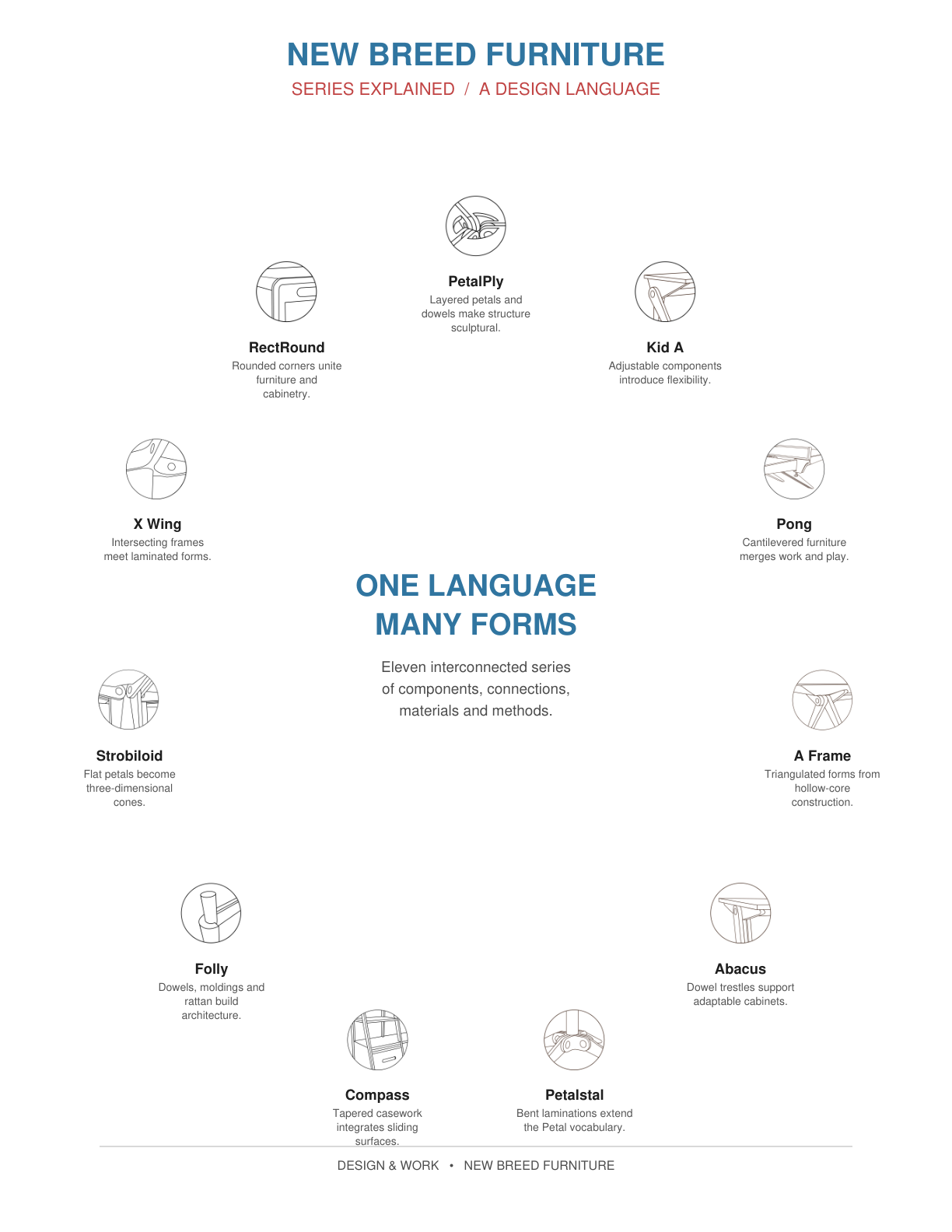
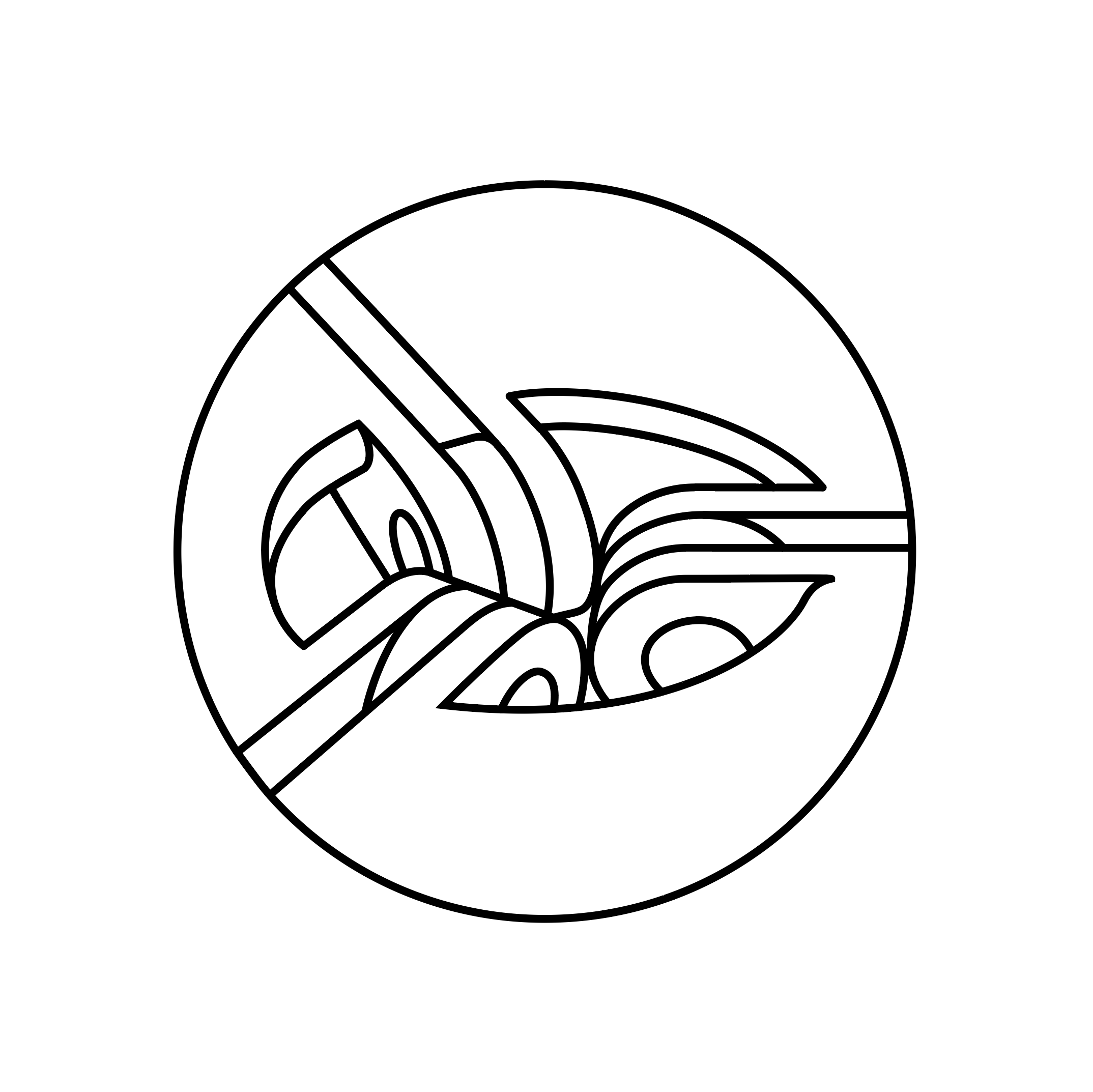
PetalPly starts with an interest in penetrations, layering and the possibility that a joint can become the most recognizable part of a piece. The basic component is the Petal: a solid-wood planar member that tapers from a broad structural body toward a smaller half-round end. Several Petals gather around an oversized solid-wood dowel. The dowel is both connector and tenon, while the rounded ends form a knuckle-like assembly that can be read immediately from across the room.
The parts are layered with alternating grain directions. Instead of hiding this buildup, the construction celebrates it. We think of the result as a muscular alpha plywood - solid wood creating its own ply through the way separate pieces are ganged together. The joint is not concealed beneath the furniture. It is the furniture.
three scales
The system is intentionally proportional. The thickness of the lumber establishes the first unit. The dowel is approximately twice that thickness. The broad end of the Petal expands to roughly four times the base unit. Those relationships repeat at three scales, allowing the same structural idea to move from smaller tables and seating into dining and larger work surfaces.
This is an early example of New Breed designing rules rather than isolated silhouettes. Change the scale, length, angle or number of Petals and a different object can emerge without losing the family resemblance.
power of the penetration
The openings through PetalPly tops are equally important. They expose the structure below and allow light and space to move through what would otherwise be a solid plane. Looking down, the top becomes a frame for the base. Looking across, the base appears to penetrate the top. The usual boundary between surface and structure gets deliberately confused.
Those openings also answer a practical solid-wood problem: movement. Expansion space is designed into the composition rather than treated as an inconvenience to be hidden.
Subseries One therefore establishes the first real New Breed grammar: Petals, dowels, layering, penetrations, proportional scaling and visible joinery. Later Series will bend the Petal, stretch the dowel, rotate it vertically and eventually turn the planar taper into three-dimensional forms. But the essential proposition is already here: if the structure is interesting enough, it does not need decoration.